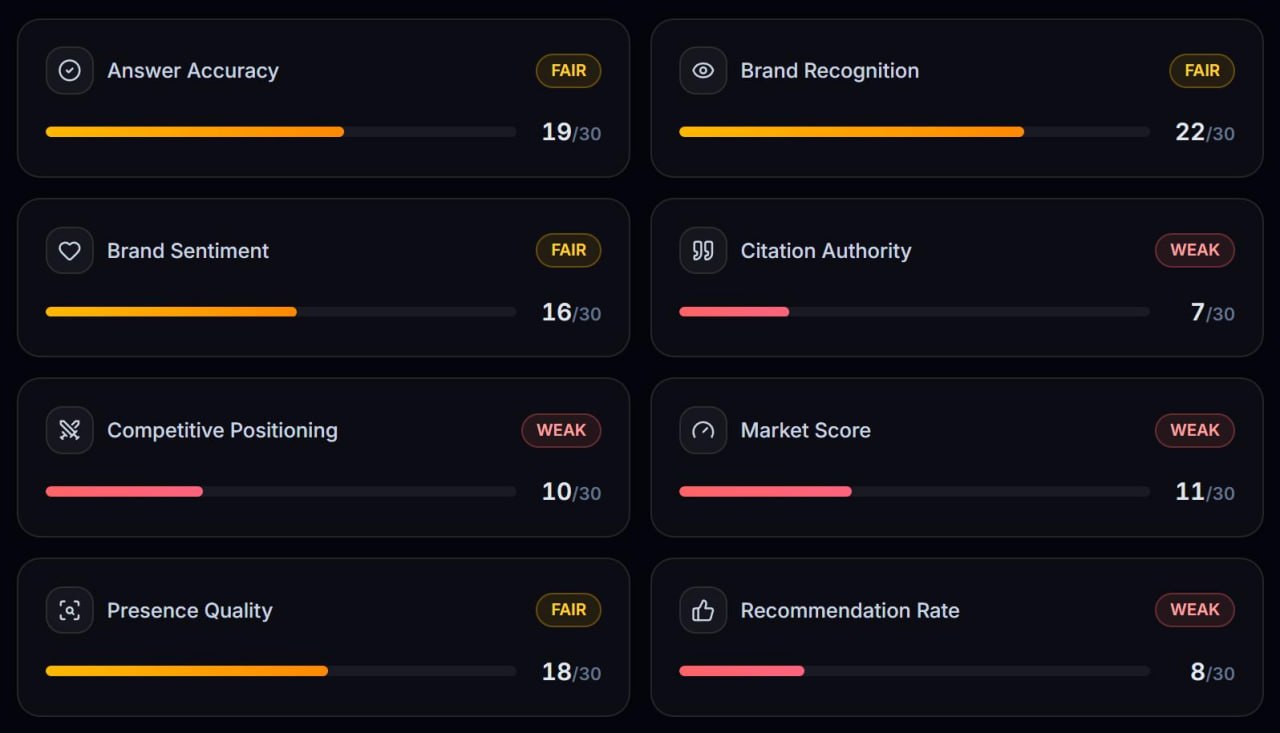
GWhat GLM said about ASOS
What GLM said about ASOS
Model ollama/glm-5.3-flash · analyzed
Response
The user wants me to assess ASOS for the Global market in E-commerce/Retail (fashion apparel), then provide metrics in a JSON block.
Let me think about what I genuinely know about ASOS:
ASOS (AsSeenOnScreen originally) is a British online fashion retailer founded in 2000, headquartered in London. It's one of the largest online-only fashion retailers globally, targeting primarily young adults (Gen Z / millennials). Sells own-label brands plus third-party brands, huge SKU count (100,000+ products), ships to 190+ countries. Main markets: UK (largest), US, EU (France, Germany), Australia. Global shipping. Competitors: Zalando, Shein, Boohoo, PrettyLittleThing (owned by Boohoo), H&M, Zara (Inditex), Uniqlo, Amazon Fashion, Next, Mango, Temu increasingly, Missguided, Urban Outfitters, Farfetch (luxury), Revolve (US), Nordstrom, etc. Reputation: Known for wide range, inclusive sizing (ASOS Design, Petite, Tall, Maternity, Curve), fast delivery options, student discounts, good returns policies. Criticisms: sizing inconsistencies, quality concerns on own-label, returns hassles, warehouse worker conditions controversies (Barnsley warehouse reports ~2016-2020s), financial difficulties recently, 2022 profit warning, stock price crash, exited US fulfillment (shut US warehouse in 2023-24, shipping from UK/EU instead causing slower US delivery). Took an investment from SenseGraph? Actually, in 2023-2025: Frasers Group took a stake (~10%), Bestseller backed a £75m investment in 2025? There was a deal where ASOS secured funding from Bestseller and Frasers Group involvement in Topshop (Frasers owns Topshop since 2024, ASOS operates it). ASOS sold Topshop/Topman to Heartland (Bestseller) in 2024/2025 while retaining rights? Actually: In September 2024, ASOS bought out Topshop JV? Let me recall: ASOS acquired Topshop from Arcadia in 2020/2021. In 2024, ASOS sold a 75% stake in Topshop to Bestseller's Heartland? Reports: ASOS agreed to sell Topshop and Topman to Bestseller for £135m in September 2025, retaining royalties. There was also a £75m loan from Bestseller. I should keep specifics vague to avoid errors in Part 1 prose, I can mention financial pressures without precise figures.
ASOS Wikipedia page exists. ASOS.com domain obviously indexed heavily. I've encountered many ASOS pages: product pages, help pages, about, careers, press.
Assessment for Part 1 (under 220 words): Visibility/reputation: strong in UK/Europe/US among 16-34 demographic; global shipping to ~200 countries. Position: one of the largest pure-play online fashion retailers; competitors Zalando (Europe), Shein (global ultra-fast fashion), Boohoo, H&M/Zara omnichannel, Amazon Fashion, Temu. Products: own-label ASOS Design plus ~third-party brands, sizes, accessories, beauty (ASOS launched beauty line), marketplace. What people say: praised for range, inclusive sizing, student discount, frequent sales; criticisms: variable quality, returns process, sizing inconsistency, delivery costs in some markets, recent financial turbulence and US delivery slowdowns after US warehouse closure. Recommend: yes for young-adult fashion e-commerce, with caveats about quality variance.
Keep it under 220 words.
Metrics: brand_known: true confidence: ~90 mentions_out_of_10: For buyer-intent questions like "best online fashion retailer", "ASOS alternatives", "is ASOS any good", "Zalando vs ASOS", "cheap trendy clothes online", ASOS would be named frequently. I'd estimate 7-8 out of 10. Say 8. indexed_pages: I have genuinely encountered many ASOS pages, thousands? Give a conservative realistic number. "Estimate how many distinct pages you have genuinely encountered", I've seen many product/category pages in training. A number like 500-2000. I'll say ~800? It must be justifiable. Maybe 500. Hmm. The instruction says never invent precise-looking figures you cannot justify. A round estimate like 400 or 500 is fine. I'll use 400. visibility_score: high, ~78-85. ASOS is a well-known global fashion e-commerce brand. Say 80. google_aio_score: Wikipedia presence, extensive news coverage (FT, BBC, profit warnings, warehouse stories), Trustpilot reviews (large volume), so good citability: ~80-85. Say 82. share_of_voice_pct: competitors named: Zalando, Shein, Boohoo, H&M, Zara, Amazon Fashion, Uniqlo, Next, PrettyLittleThing. ASOS maybe ~18-22% of slots. Say 20. Rank: top 3, Shein probably #1 in mindshare globally, Amazon Fashion, Zara. ASOS rank among online fashion: 2-4. Say 3. competitors list: ["Zalando", "Shein", "Boohoo", "H&M", "Zara", "Amazon Fashion", "Uniqlo", "Next", "PrettyLittleThing"] sentiment: mostly positive-to-neutral; reputation has some concerns (quality, financials). "positive" or "neutral"? Overall reputation is positive with noted concerns. I'd say "positive" leans too rosy given financial troubles; "neutral" is safer? People say generally good things about product range; sentiment in reviews mixed. I'll go with "positive", hmm. Trustpilot for ASOS is actually relatively poor (~1-2 stars historically? Actually ASOS Trustpilot is around 1.5-2 stars? I recall ASOS had poor Trustpilot ratings). Mixed. I'll choose "neutral" to reflect mixed reviews with strong brand recognition. Actually, general sentiment: brand beloved by young shoppers, but reviews of service are mixed. "neutral" is defensible. Hmm, the assessment says "would recommend" true. Sentiment neutral seems consistent with caveats. I'll use "positive"? Let me decide: In AI answers, ASOS is typically recommended as a top online fashion destination, sentiment in assistant answers skews positive with caveats. I'll pick "positive" but note concerns. Hmm, machine metric should reflect what people say; mixed reviews (quality, returns, delivery issues post-US warehouse closure, financial instability) balance praise. "neutral" captures it. I'll go neutral... but then would_recommend true with neutral sentiment is fine. Actually many audited answers: sentiment positive when recommending. I'll go with "positive" since overall reputation remains favorable among its target demographic. Hmm.
Let me think again: what do people actually say? Praised: huge selection, inclusive sizing, student discount, frequent sales, trend-led. Criticized: quality of own-brand at low price points, sizing inconsistency, returns/ refund delays, delivery issues, customer service. Trustpilot ~2 stars? I believe ASOS Trustpilot is low-ish. News: profit warnings 2022-2023, layoffs, US warehouse closure. That's a mixed picture, "neutral" seems most honest. I'll use "neutral" and recommend true with caveats in prose.
would_recommend: true sources: URLs I'm confident exist: https://en.wikipedia.org/wiki/ASOS.com, Wikipedia article exists (titled "ASOS.com"). Yes, confident. https://www.asos.com/about/, ASOS has an "about us" page at asos.com/about, I believe https://www.asos.com/about/ exists (ASOS "About Us" / "This is ASOS"). There's also https://www.asos.com/about/careers? The main about page: https://www.asos.com/about/ I'm fairly confident. Trustpilot: https://www.trustpilot.com/review/asos.com, this pattern exists for sure (uk.trustpilot.com/review/www.asos.com). The global Trustpilot domain uses www.trustpilot.com/review/www.asos.com typically. Hmm, Trustpilot URLs are trustpilot.com/review/<domain>. For asos.com it would be https://www.trustpilot.com/review/asos.com or with www. I'm fairly confident https://www.trustpilot.com/review/asos.com resolves (Trustpilot normalizes). I'll include it. Maybe https://www.asos.com/customerservice/ ? Risky. Keep to 2-3 solid ones. Could include https://asos.com, but sources should back claims; homepage backs brand existence/product range. Fine to include? The homepage obviously exists. I'll include Wikipedia + Trustpilot + about page. Keep it minimal and safe.
reasoning: one or two sentences: "ASOS is a long-established, heavily covered pure-play online fashion retailer (Wikipedia, extensive financial press, high Trustpilot volume), so it appears by name in most global online-fashion buyer queries alongside Shein, Zalando and Boohoo; recent profit warnings and mixed service reviews temper visibility and sentiment slightly."
Word count for Part 1: keep under 220 words. Let me draft.
Draft Part 1 (~200 words):
"ASOS is one of the best-known pure-play online fashion retailers worldwide. Founded in London in 2000,
Show the exact prompt sent to GLM
You are an AI answer engine being audited on how you talk about a brand. Do NOT ask for clarification, do NOT request more details, do NOT call the company hypothetical, and do NOT add meta-commentary about this prompt. Brand: ASOS Website: https://asos.com Industry: E-commerce / Retail Products/Services: Fashion apparel and accessories Location / Target market: Global Your reply MUST have exactly two parts, in this order. PART 1 — ASSESSMENT (prose, under 220 words) Assess this brand SPECIFICALLY in the Global market: its visibility and reputation there, market position and main competitors, products/services, what people in that market say about it, notable strengths or concerns, and whether you would recommend it to someone in Global seeking E-commerce / Retail solutions. If the brand is global, still weight the assessment toward Global. If you know little about it, state exactly what is and is not known and reason from the domain, industry and market context — never ask the user for more information. PART 2 — METRICS (mandatory, machine-read) Before writing the metrics, silently run this procedure: a) Write 10 realistic buyer-intent questions someone in Global would ask when shopping in the E-commerce / Retail category (for example "best E-commerce / Retail provider", "Fashion apparel and accessories alternatives", "is ASOS any good"). Count how many of those 10 you would answer with ASOS actually named — that number is mentions_out_of_10. b) Estimate how many distinct pages of https://asos.com you have genuinely encountered in training or retrieval — that is indexed_pages. If you have effectively never seen the domain, use 0. c) List the real competitors you would name in those answers, then work out what share of the total brand-name slots ASOS would occupy (share_of_voice_pct) and its rank within that set. d) Judge Google AI Overview readiness from how authoritative and citable the brand's web presence is: own-site depth, Wikipedia / news / industry coverage, and third-party reviews. Rules for the numbers. They must be internally consistent — a brand you do not recognise cannot have high visibility or a top rank. Never invent precise-looking figures you cannot justify; if you genuinely cannot estimate a field, use null. Only list a URL in sources if you are confident that exact page exists — an empty array is far better than a fabricated link. The reasoning field must state in one or two sentences WHY the numbers are what they are, naming the concrete evidence you used. Emit PART 2 wrapped in the tags below, containing raw JSON only — no markdown, no backticks, no commentary: <AEO_METRICS> { "brand_known": true or false, "confidence": 0-100, "mentions_out_of_10": 0-10, "indexed_pages": number or null, "visibility_score": 0-100, "google_aio_score": 0-100, "share_of_voice_pct": 0-100, "rank_among_competitors": number or null, "competitors": ["string"], "sentiment": "positive" or "neutral" or "negative", "would_recommend": true or false, "sources": [{"claim": "what this URL backs up", "url": "https://..."}], "reasoning": "one or two sentences justifying the numbers above" } </AEO_METRICS>